CM Laptop Scheme Eligibility And Registration Guide 2026
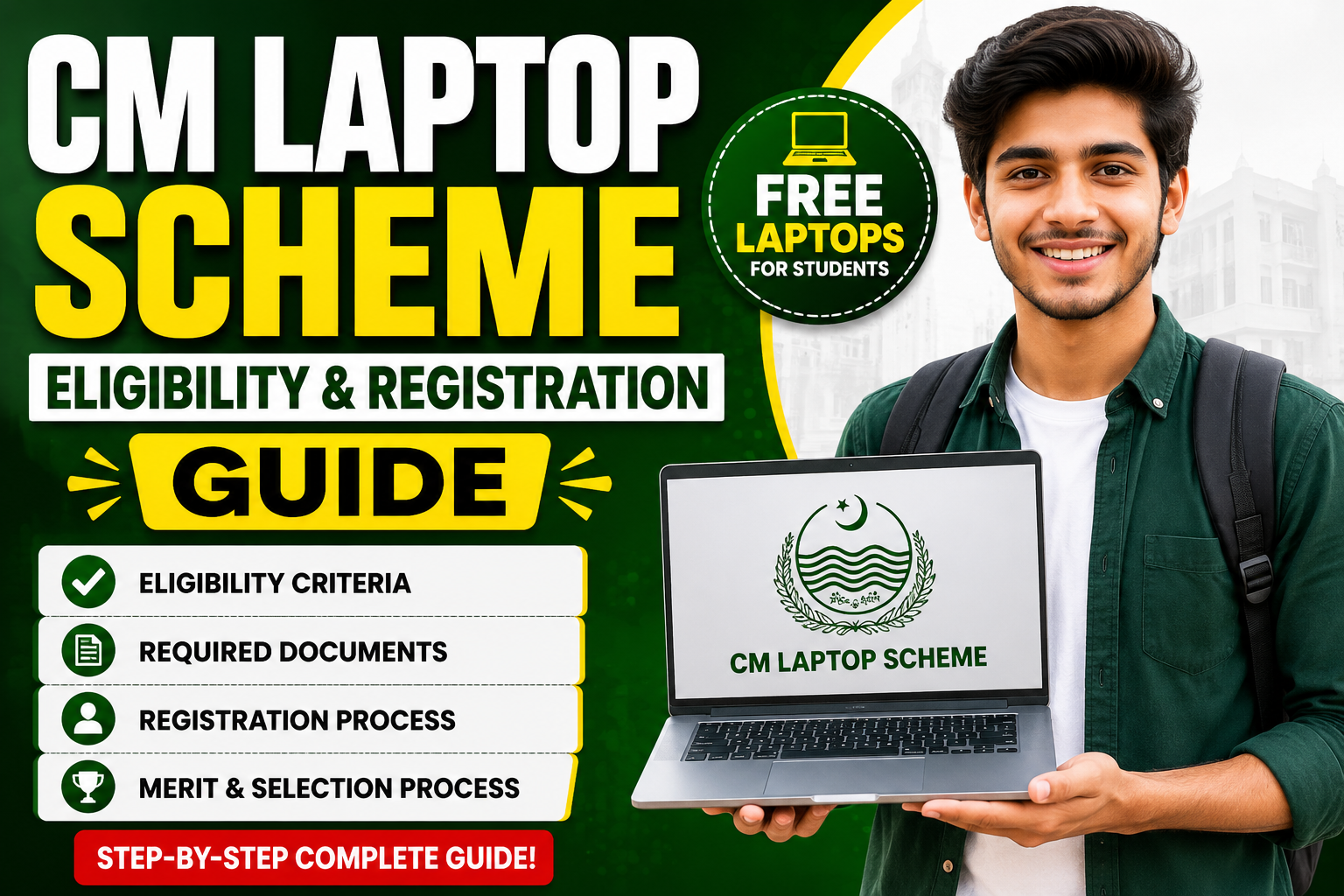
Getting a free laptop through the CM Laptop Scheme can make a huge difference for students. From online classes and freelancing to assignments and research work, a personal laptop is no longer a luxury for many students in Pakistan. It has become a real educational need.
Every year, thousands of students apply for the scheme, but many applications get rejected because of incomplete information, wrong documents, or confusion about the eligibility rules.
This CM Laptop Scheme Eligibility And Registration Guide explains the complete process in simple language. Whether you are applying for the first time or helping someone else register, this article will walk you through every important step.
What Is the CM Laptop Scheme?
The CM Laptop Scheme is a government-supported initiative launched to help deserving students access digital education tools. Under this program, eligible students receive free laptops based on academic merit and institutional criteria.
The scheme mainly targets:
- University students
- College students
- Technical and vocational students
- Students with strong academic performance
- Deserving candidates from public institutions
The goal is to improve digital literacy, support online learning, and encourage students to continue their education with better resources.
CM Laptop Scheme Eligibility Criteria
Before applying, students should carefully check whether they meet the official eligibility conditions. Missing even one requirement can lead to rejection.
Academic Requirements
Most laptop schemes prioritize students with good academic records. Generally, students must:
- Be enrolled in a recognized public sector institution
- Have active admission status
- Meet the minimum percentage or CGPA requirement
- Maintain regular attendance if required by the institution
Some schemes may also prioritize:
- Top-performing students
- Position holders
- Students from low-income families
- BS, Master’s, or professional degree students
Which Students Usually Qualify?
The following categories are commonly considered eligible:
University Students
Students studying in public universities often receive the highest quota under the scheme.
College Students
Government college students may also qualify depending on available seats and provincial policy.
Technical and Professional Students
Students enrolled in engineering, IT, medical, and technical programs are often included.
Newly Enrolled Students
Some schemes allow first-semester students, while others prioritize senior students with established academic records.
Always verify the latest policy announced by the relevant government department or educational institution.
Who May Not Be Eligible?
Some students are usually excluded from the scheme.
Common Disqualification Reasons
- Students studying in private institutions
- Incomplete admission records
- Fake or mismatched documents
- Previous laptop scheme beneficiaries
- Low attendance or poor academic performance
- Inactive enrollment status
Even small mistakes during registration can create verification problems later.
Documents Required for CM Laptop Scheme Registration
Before starting the online application, keep all documents ready.
Essential Documents
You may need:
- Valid CNIC or B-Form
- Student ID card
- Recent passport-size photograph
- Enrollment certificate
- Matric and Intermediate result cards
- University or college admission proof
- Mobile number registered in your name or family name
Some institutions may also ask for:
- Domicile certificate
- Income proof
- Semester transcript
- Fee challan copy
Uploading clear and readable documents is extremely important.
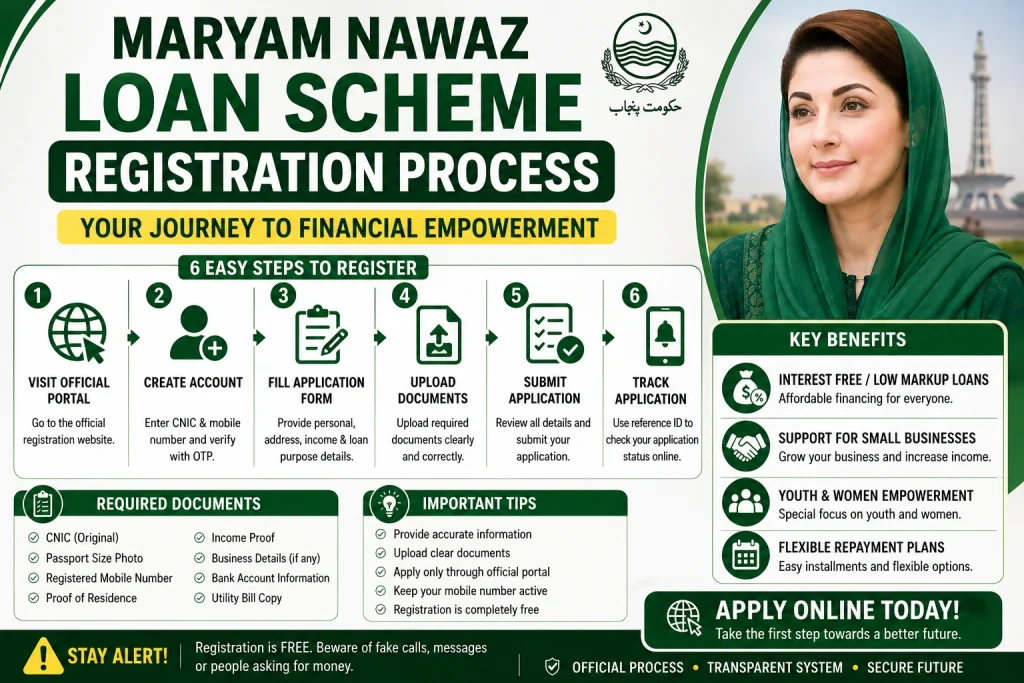
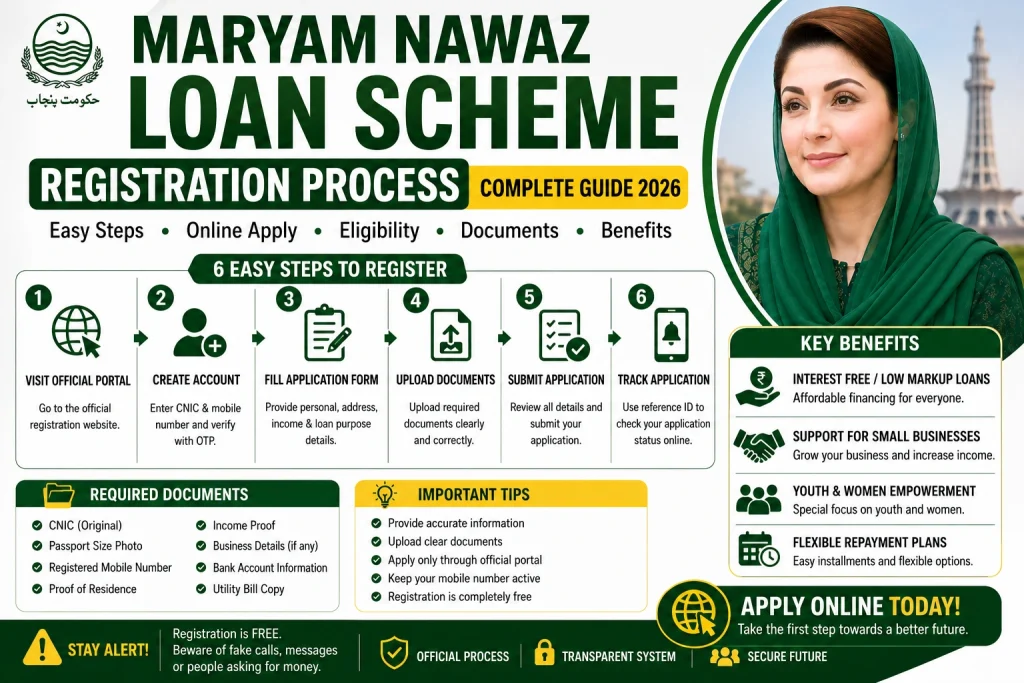
CM Laptop Scheme Registration Process
The registration process is usually completed online through the official government or educational portal.
Follow these steps carefully.
Step 1: Visit the Official Registration Portal
Open the official CM Laptop Scheme website announced by the government. Avoid fake social media links and unofficial websites.
Step 2: Create Your Account
Register using:
- CNIC or B-Form number
- Mobile number
- Email address
- Educational details
Choose a strong password and save your login details safely.
Step 3: Fill Academic Information
Enter your:
- Institution name
- Degree program
- Semester
- Roll number
- Marks or CGPA
Make sure every detail matches your official educational records.
Step 4: Upload Required Documents
Upload scanned copies or clear photos of your documents.
Important tips:
- Use readable images
- Avoid blurry uploads
- Upload correct file format if specified
- Keep file size within limits
Step 5: Submit the Application
Review everything carefully before final submission.
Many students accidentally submit applications with typing mistakes or incorrect records. Once submitted, editing options may become limited.
How Merit Is Usually Decided
The laptop distribution process often follows a merit-based system.
Factors That Affect Selection
- Academic performance
- Degree program
- University quota
- Provincial quota
- Attendance record
- Verification approval
High-performing students usually get priority.
Common Registration Mistakes Students Should Avoid
Many deserving students lose their chance because of avoidable mistakes.
Wrong CNIC or Roll Number
Even one incorrect digit can cause verification failure.
Unclear Documents
Blurred images may lead to rejection during document screening.
Using Fake Information
Never submit false marks, fake certificates, or incorrect institution details.
Missing Deadlines
Late applications are usually not accepted.
Ignoring Official Updates
Students should regularly check official announcements for corrections, merit lists, and verification notices.
How to Check Application Status
After submission, students can usually track their application online.
Common Status Updates
You may see:
- Submitted
- Under Verification
- Approved
- Rejected
- Selected for Distribution
If your application is rejected, the portal may mention the reason.
What Happens After Selection?
Selected students are informed through:
- SMS alerts
- University notices
- Official website updates
- Email notifications
Students may need to appear physically for verification before receiving the laptop.
Carry original documents during the distribution process.
Tips to Improve Your Chances
While selection mainly depends on merit, students can still avoid problems by following smart practices.
Apply Early
Do not wait for the last date.
Keep Documents Updated
Ensure your academic records and CNIC information are correct.
Stay Active Academically
Strong grades increase your chances significantly.
Follow Official Sources Only
Avoid relying on random Facebook posts or unofficial YouTube rumors.
Why the CM Laptop Scheme Matters
The scheme has become increasingly important because students now rely heavily on digital learning.
A laptop helps students:
- Attend online classes
- Learn digital skills
- Access research material
- Start freelancing
- Improve productivity
- Build technical experience
For many students from low-income backgrounds, receiving a free laptop can genuinely change their educational journey.
Conclusion
The CM Laptop Scheme gives deserving students an opportunity to continue their education with better digital access. But eligibility rules, document verification, and proper registration matter more than most students realize.
Before applying, carefully check your academic eligibility, prepare all required documents, and complete the online form without mistakes. A small error can delay or reject the application.
Students who stay informed and follow the official process carefully usually have a much smoother experience.
FAQ Section
Who can apply for the CM Laptop Scheme?
Students enrolled in recognized public educational institutions who meet academic and verification requirements can usually apply.
Is the CM Laptop Scheme only for university students?
No. Depending on government policy, college and technical students may also qualify.
Can private university students apply?
In many cases, the scheme mainly targets public sector institutions, though policies may vary.
What documents are required for registration?
Students generally need CNIC or B-Form, student ID card, academic records, and admission proof.
How are selected students informed?
Selected candidates are usually notified through SMS, official websites, universities, or email alerts.
Can students edit the form after submission?
Some portals allow limited editing before deadline closure, while others may not permit changes after submission.